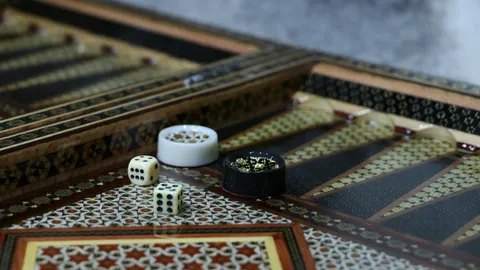
Why Backgammon Is Good for Your Brain – More Than Just a Game
Published on May 11, 2026
Backgammon is one of the oldest board games in the world – and not without reason. For over 5,000 years, it has captivated people around the globe with its mix of strategy, tactics, and luck. But backgammon isn’t just entertaining – it’s a genuine workout for your mind. In this article, you’ll learn why backgammon is good for your brain, whether you’re young or old.
1. Fostering strategic thinking
Backgammon isn’t a game of pure luck – at least not only. Every move needs careful thought: which checkers do I move first? How do I secure my position? Do I attack or play defensively? Anyone who plays backgammon regularly learns to think ahead, weigh different scenarios, and make decisions under uncertainty. This sharpens the ability to analyze complex situations – a skill that’s useful in everyday life too.
2. Reaction ability and flexibility
In backgammon, things are constantly in motion – literally. The dice bring randomness into play, and you have to react to it. Good players adapt their strategies to new situations in a flash. This mental flexibility is a cognitive skill that’s becoming increasingly important both professionally and privately – for example when dealing with sudden changes or stressful situations.
3. Training concentration and attention
A game of backgammon can be intense – especially when it gets close. Every mistake can cost you the round. The winner is often the one with the better focus. Regular players train their attention span and learn to stay focused even over longer periods.
4. Improving memory performance
Many moves in backgammon are based on experience: which moves worked well in the past? Which strategies have proven effective against certain opponents? Drawing on this experiential knowledge strengthens long-term memory. At the same time, the game trains working memory, since you constantly have to keep current positions, dice results, and options in mind.
5. Backgammon as mental prevention in old age
Studies show that mental activity can help slow cognitive decline in old age. Regular play – whether chess, cards, or backgammon – keeps the brain active. Especially for older people, backgammon can play a valuable role in mental fitness and may even help prevent dementia.
6. Social interaction as a bonus for the brain
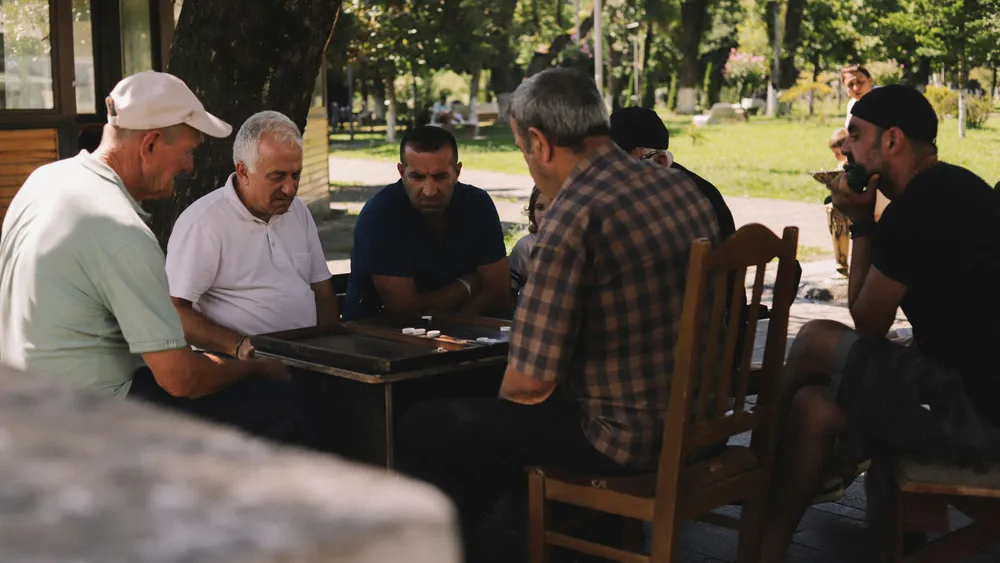
Backgammon is a social game. Whether at the kitchen table, in a café, or online: you usually play against real people. The communication, the mutual challenge, and the shared experience not only strengthen social bonds but also activate the brain regions responsible for empathy and emotional intelligence.
Conclusion: play your way to a sharper mind
Backgammon is more than a pastime. It’s a genuine workout for your mind – an entertaining way to keep your brain fit. Whether you’re a beginner or an experienced pro, every game challenges and improves your mental abilities anew. And the best part: you barely notice that you’re training.
So: roll the dice, place your checkers – and give your brain a workout along the way!

About the Author
Ulf Mayer
I love backgammon in all its forms – whether it's a quick match on my smartphone to pass the time, or a glass of wine alongside a beautiful wooden board with family and friends. As the founder of backgammon-meister.de, I share my passion, tactics, and tips to help both beginners and ambitious players dominate their next match. Dice cup ready? Let's master the game!
backgammon-meister.de has been online since 2008.